
Sons of Abraham:
Damascus Dominion: The Umayyad Caliphate
A JOINT-CRISIS COMMITTEE
ABOUT THIS COMMITTEE
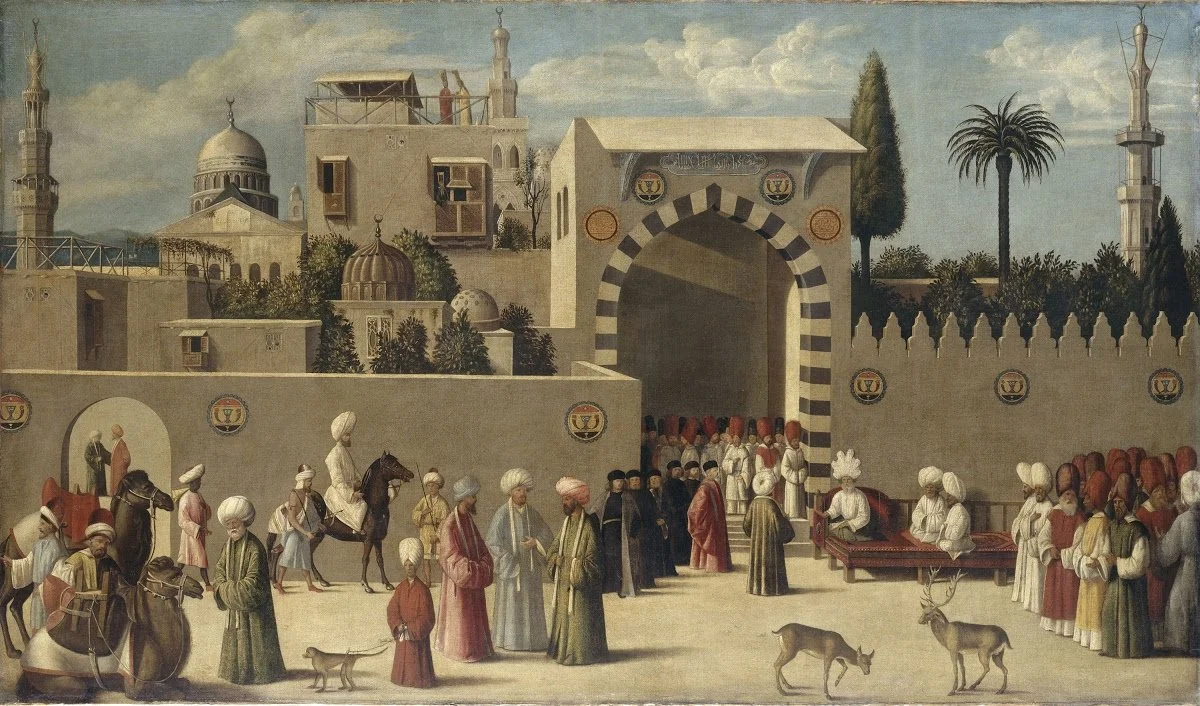
In 642, the early conquests of the newly formed Rashidun Caliphate had seen nothing but success. United under the banner of the newest addition to the House of Abraham, highly effective Muslim commanders steamrolled through the exhausted and plague-ridden Sassanid and Eastern Roman Empires. Seeing no challenger that could check them, the unstoppable wave of conquest has turned its eyes north to the Caucasus Mountains..
It was in the narrow passes of the Caucasus where the Arabs ran headlong into the Khazar Khaganate. This nomadic steppe empire had laid claim to much of modern Ukraine, Belarus, and the regions surrounding the Caucasus. Having become well-entrenched and semi-sedentary in their territory, the Khazars wielded considerable economic and military might. By 652, the Khazars delivered a killing blow to the Islamic campaign with a crushing victory at the Battle of Balanjar. The two sides agreed that the initial status quo of the Caucasus region would hold.
Now, a generation later, the Umayyad Caliphate has replaced the Rashidun. The Sassanid Empire is gone, fully incorporated into the Umayyad dominion. Eastern Rome soldiers on with its possessions in Anatolia and Europe. The Khazars remain vibrant and powerful. Judaism has begun to make inroads with the religiously tolerant Khazar nobility, many of whom begin to adopt the faith. Khazar raids on Umayyad territory south of the Caucasus have begun to pick up. The inconclusive first border war has left scores to be settled.
The year is 722, and the three great powers of Eastern and Central Europe, the Middle East, and North Africa are preparing to brawl once again.
The Umayyad Caliphate:
By 722, the Umayyad Caliphate sprawls from Iberia to India. The armies of Islam are the only true contest to the breadth and depth of Alexander’s conquests. Centered at its capital of Damascus, the Umayyads can raise the largest, most competent armies from their enormous population. They are currently focusing much of this effort on blocking the recent uptick in Khazar raids and asserting full control over the Caucasus region. However, the vast domains of the Umayyads cannot be effectively controlled from Damascus. The unity of the dominion is of utmost importance to the Caliph, along with the refinement and conversion of Islam.
Much more so than their Khazar or Byzantine rivals, the Umayyads must be careful to keep an eye on their internal stability as governors from around the empire jostle for more control and autonomy.
THe Dais
UNC Crisis Director
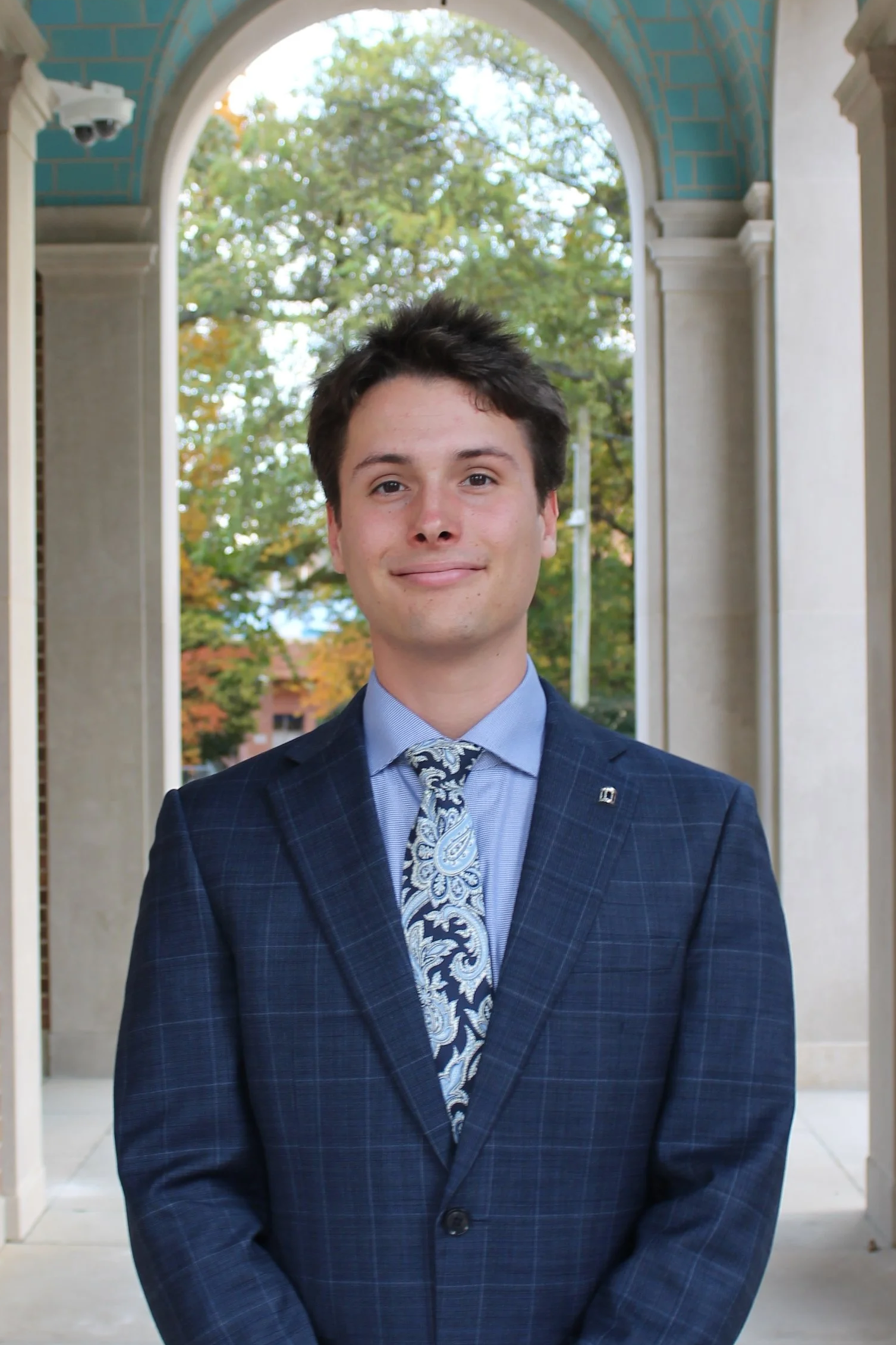
Colson Grimes
-
Colson Grimes is a second-year Master’s of Public Policy candidate with a focus on impact evaluation and analysis. He has been involved with UNCMUNC since 2023. Outside of school, Colson enjoys the outdoors, reading, and boxing.
Crisis Director
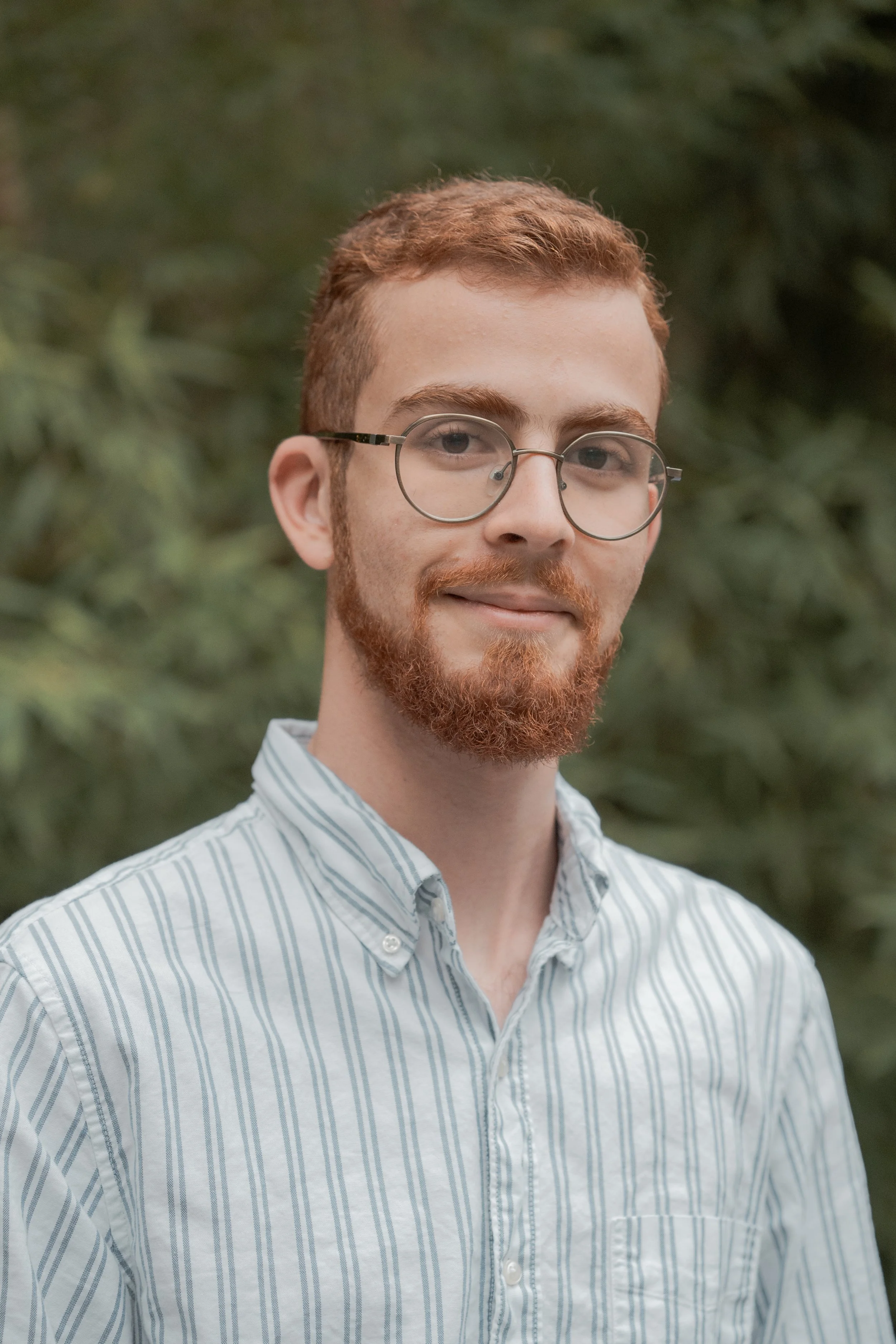
Huseyin A. Tuna
-
Huseyin is a Sophomore at UNC, majoring in History and something else, probably. When not contemplating the meaning of life, he’s an avid photographer professionally shooting portraits, events, and headshots. He’s also been doing MUN since middle school, meaning he theoretically knows how order of disruptiveness works.
Associate Crisis Director
Paisley Holland
Head Chair
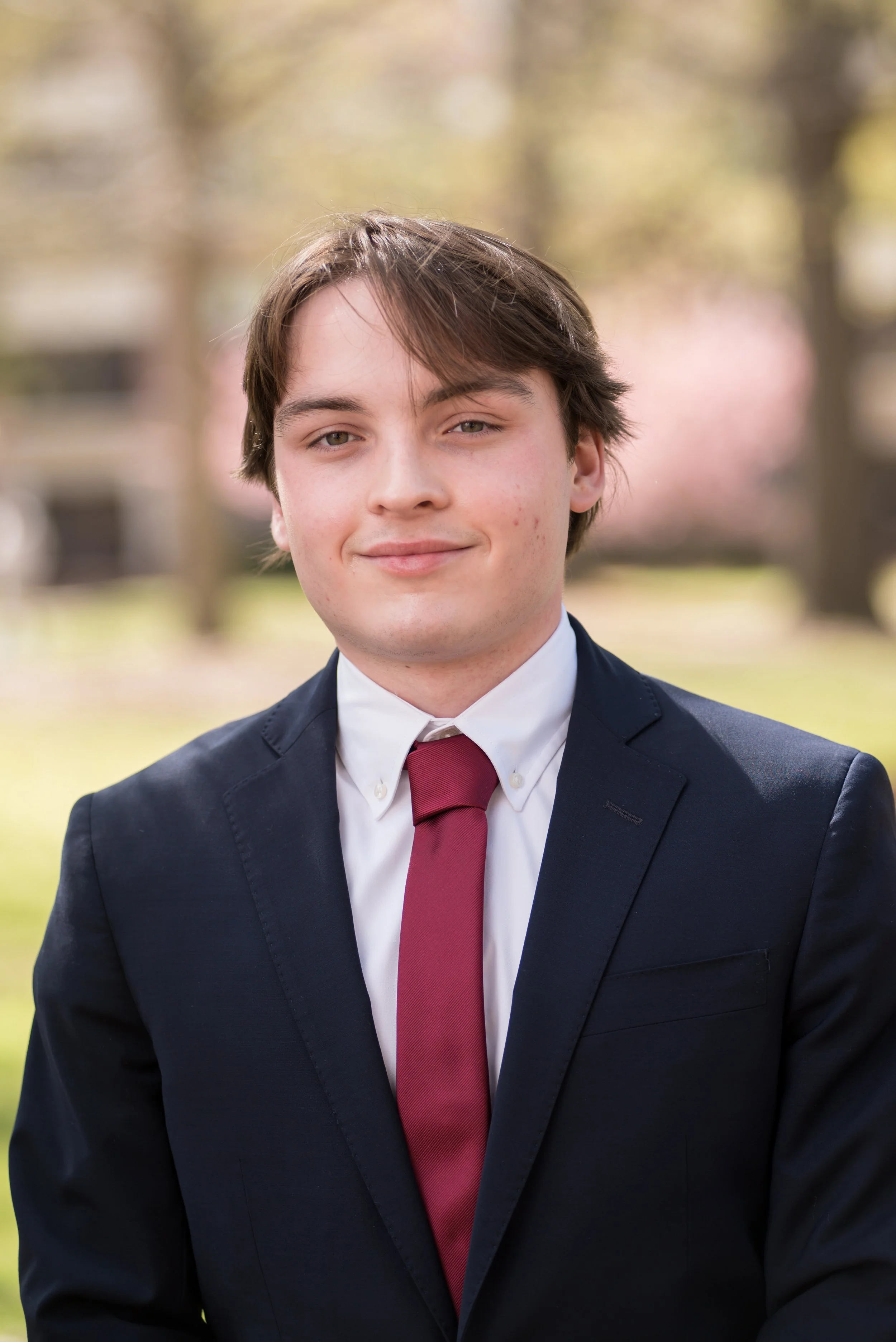
Owen Dowd
-
Owen is a second-year physics and political science major from Massachusetts. He competes on the collegiate Model UN circuit at UNC, primarily in historical crisis, and can’t wait to Head Chair the Umayyad Caliphate committee at UNCMUNC XVII! Outside of MUN, Owen is often ski racing, watching college basketball, or reading.

Assistant Chair
Cole Nicholson