
Land Acknowledgement
We acknowledge that the University of North Carolina at Chapel Hill and UNCMUNC XVII are situated on the homelands of the Occaneechi, Shakori, Eno, and Sissipahaw peoples. We honor their enduring presence, history, and sovereignty on this territory. We also recognize that the state of North Carolina is the ancestral home to many Indigenous nations, including but not limited to the Adshusheer, Bay River, Bear River, Cape Fear, Catawba, Chowanoke, Coharie, Coree/Coranine, Creek migrants, Croatan, Cuskara, Eno, Eastern Band of Cherokee, Haliwa-Saponi, Hatteras, Keyauwee, Lumbee, Machapunga, Meherrin, Moratoc, Natchez migrants, Neche, Neusiok, Nottoway, Occaneechi, Pamlico, Pasquotank, Perquimans, Poteskeet, Saponi, Sara/Cheraw, Secotan, Shakori, Sissipahaw, Sugeree, Tuscarora, Tutelo, Waccamaw, Waccamaw Siouan, Wateree, Waxhaw, Weapemeoc, Woccon, Yadkin, and Yeopim.
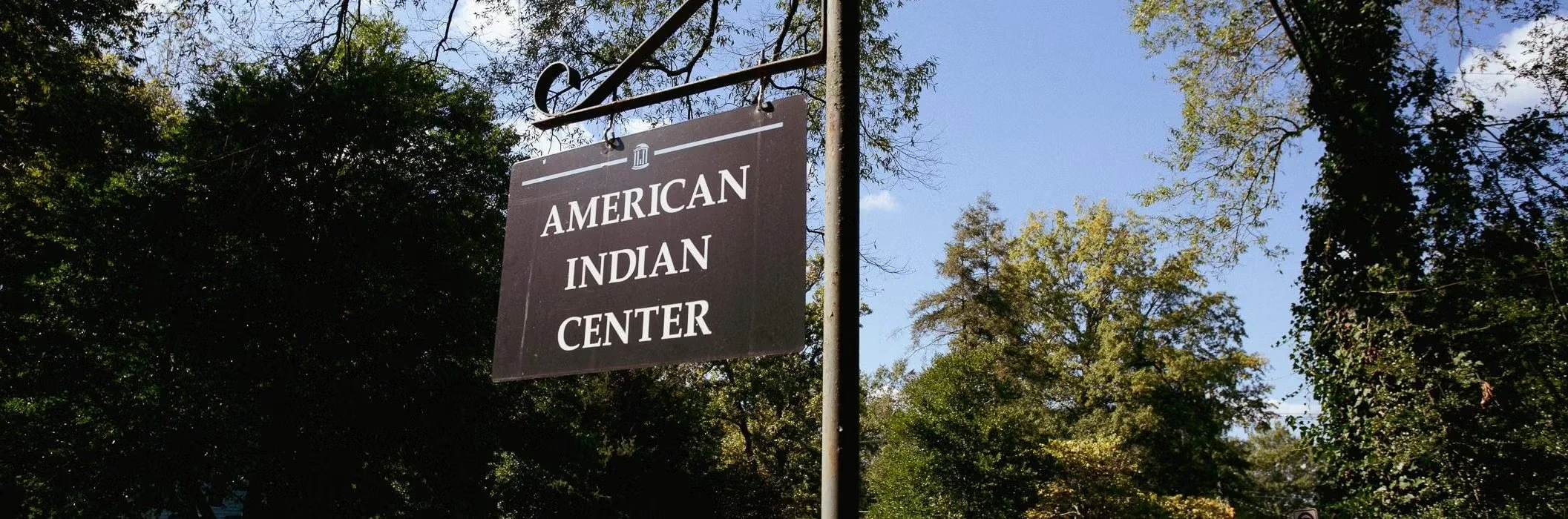
We acknowledge that a simple statement is only the first step, and we commit to support of Indigenous communities in North Carolina, their sovereignty, and the important work of the UNC American Indian Center.
We must also acknowledge the history of our institution. The University of North Carolina at Chapel Hill's initial construction was dependent on the forced labor of enslaved African and African American people. We recognize that the campus structures, grounds, and early functioning of the University were built by and benefited from their forced labor. While UNC was founded in 1793, the first Black students were not admitted to the Law School until 1951, and Black undergraduates were not admitted until 1955. We acknowledge the fight for civil rights and equity led by Black students, faculty, and staff, who have worked to end past systemic exclusion and discrimination at UNC.
We recognize that these histories continue to shape our present. UNCMUNC XVII commits to honoring their sacrifices by continually working to advance justice for all members of our community, during the conference weekend and beyond.