
Sons of Abraham:
Caucasus Cavalry Council: Khazar Khaganate
A JOINT-CRISIS COMMITTEE
ABOUT THIS COMMITTEE
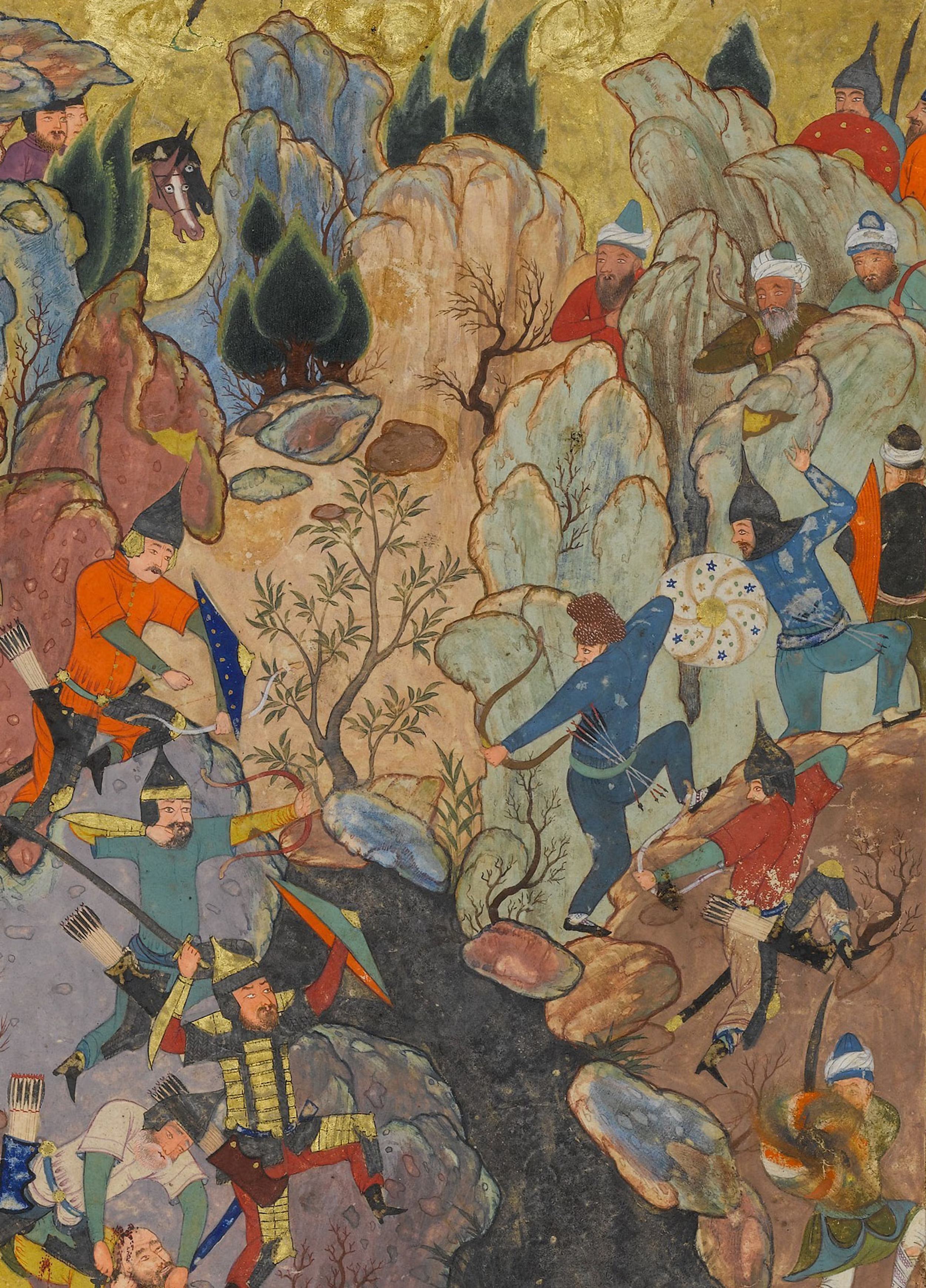
In 642, the early conquests of the newly formed Rashidun Caliphate had seen nothing but success. United under the banner of the newest addition to the House of Abraham, highly effective Muslim commanders steamrolled through the exhausted and plague-ridden Sassanid and Eastern Roman Empires. Seeing no challenger that could check them, the unstoppable wave of conquest has turned its eyes north to the Caucasus Mountains..
It was in the narrow passes of the Caucasus where the Arabs ran headlong into the Khazar Khaganate. This nomadic steppe empire had laid claim to much of modern Ukraine, Belarus, and the regions surrounding the Caucasus. Having become well-entrenched and semi-sedentary in their territory, the Khazars wielded considerable economic and military might. By 652, the Khazars delivered a killing blow to the Islamic campaign with a crushing victory at the Battle of Balanjar. The two sides agreed that the initial status quo of the Caucasus region would hold.
Now, a generation later, the Umayyad Caliphate has replaced the Rashidun. The Sassanid Empire is gone, fully incorporated into the Umayyad dominion. Eastern Rome soldiers on with its possessions in Anatolia and Europe. The Khazars remain vibrant and powerful. Judaism has begun to make inroads with the religiously tolerant Khazar nobility, many of whom begin to adopt the faith. Khazar raids on Umayyad territory south of the Caucasus have begun to pick up. The inconclusive first border war has left scores to be settled.
The year is 722, and the three great powers of Eastern and Central Europe, the Middle East, and North Africa are preparing to brawl once again.
The Khazar khaganate:
The Khazar Khaganate, born out of one of the many Turkic nomadic groups which burst out of the collapsed Hunnic Empire, is now a well-established, semi-nomadic state which dominates from the Caucasus range in the south to White Ruthenia in the north. The Khazars control much of the Silk Road overland trade, using these profits to develop large, fortified cities and field large armies of heavily armored mounted soldiers.
Long from the days of lightly-equipped steppe raiders, the armies of the Khazars are now built around cores of professional armoured horsemen, supplemented with lighter cavalry and infantry formations. However, as expansion and war drives resources thin, the Khazars must decide between centralization of the state and sticking true to their nomadic roots.
The Khazars have proven themselves as a powerful force in both Europe and Asia and are recognized by the Umayyad Caliphate and Eastern Roman Empire as a legitimate imperial contender and equal partner.
THe Dais
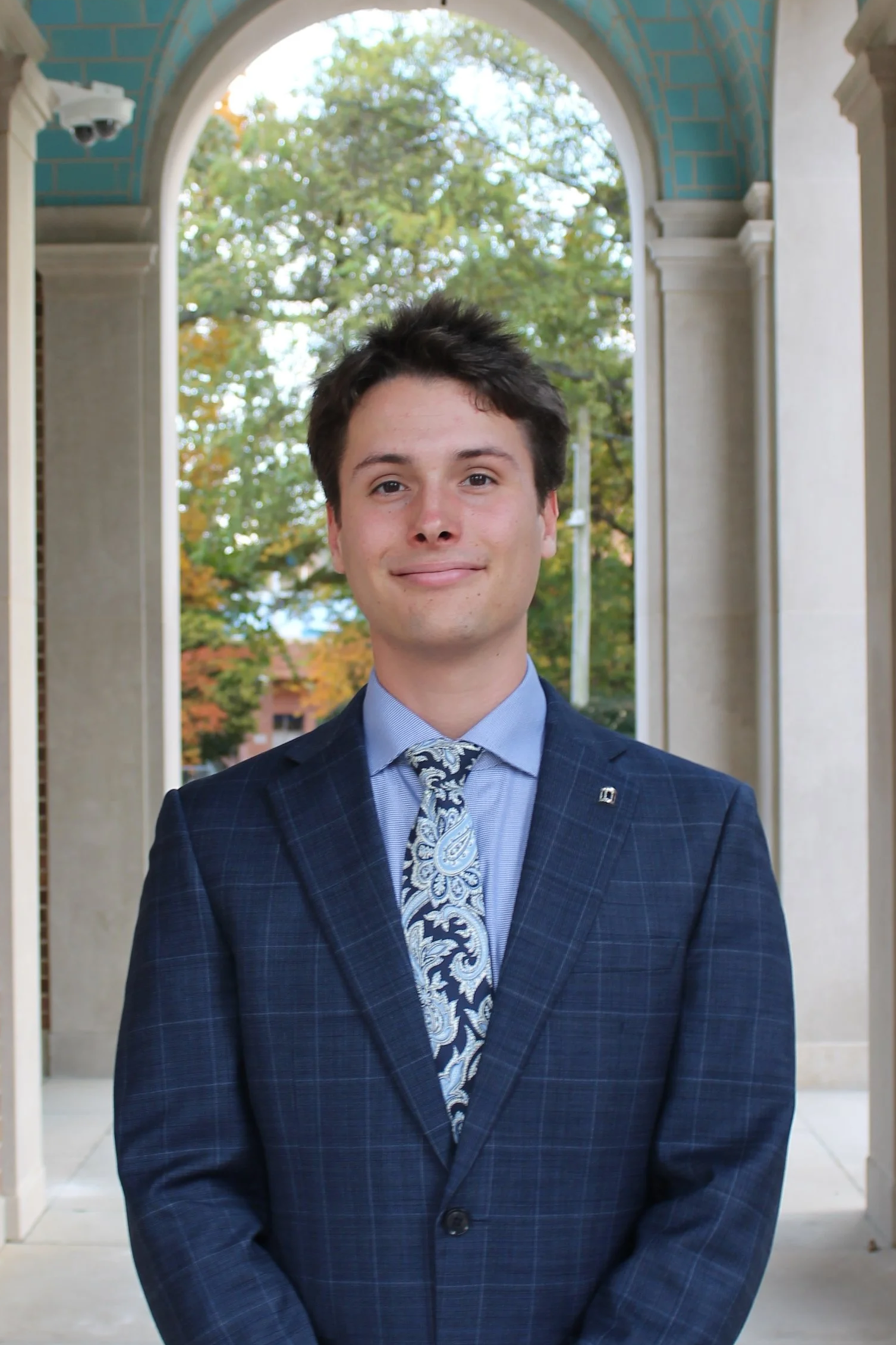
UNC Crisis Director
Colson Grimes
-
Colson Grimes is a second-year Master’s of Public Policy candidate with a focus on impact evaluation and analysis. He has been involved with UNCMUNC since 2023. Outside of school, Colson enjoys the outdoors, reading, and boxing.
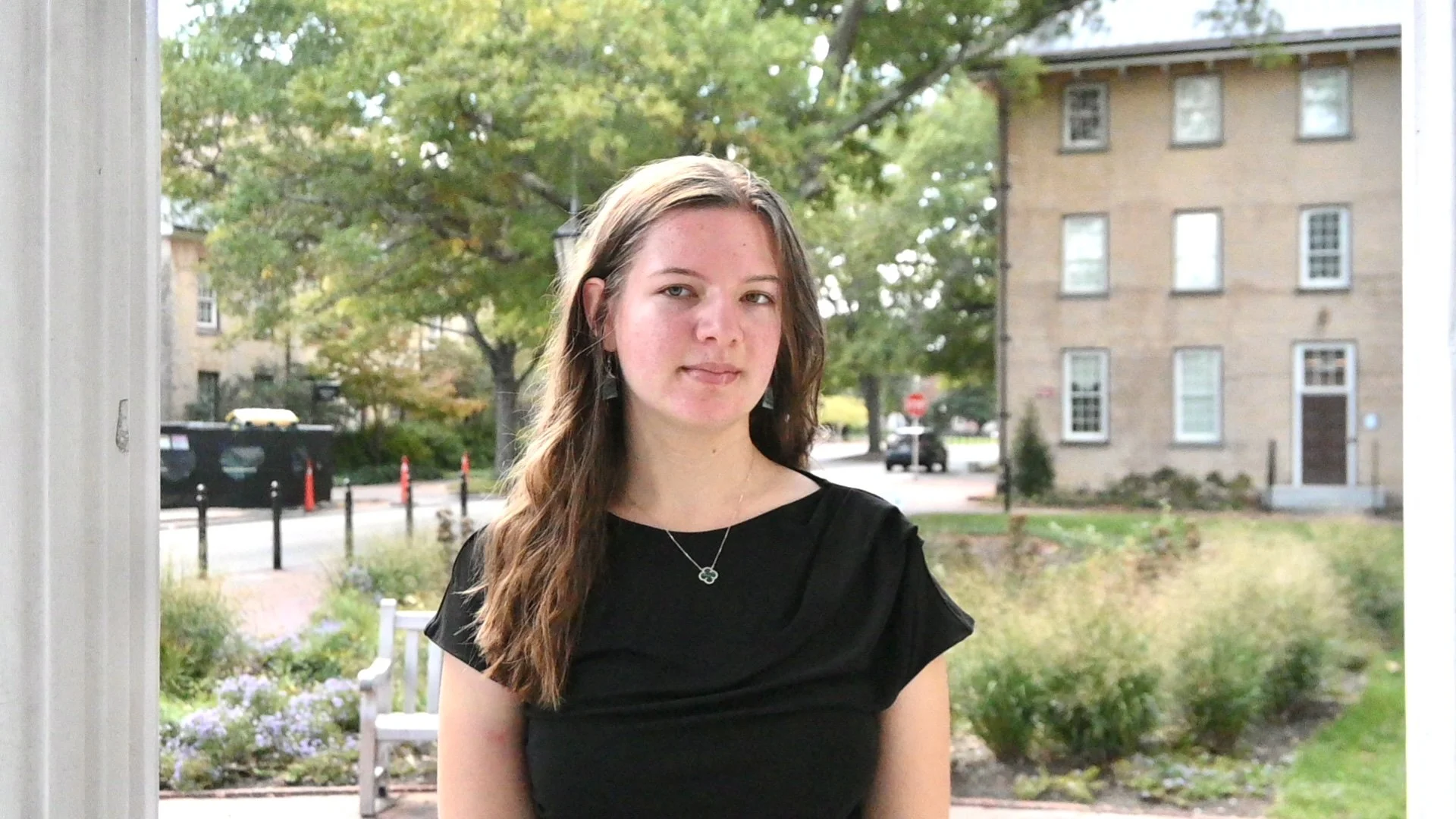
Crisis Director
Carter Huffman
-
Carter is a junior from Huntersville, North Carolina, double-majoring in Political Science and History. He has been involved in Model UN since middle school and competes on the collegiate circuit for UNC. Outside of CIRA, Carter enjoys watching football and basketball and playing golf. He is excited to welcome delegates to Chapel Hill this November for the conference’s flagship three-room JCC.
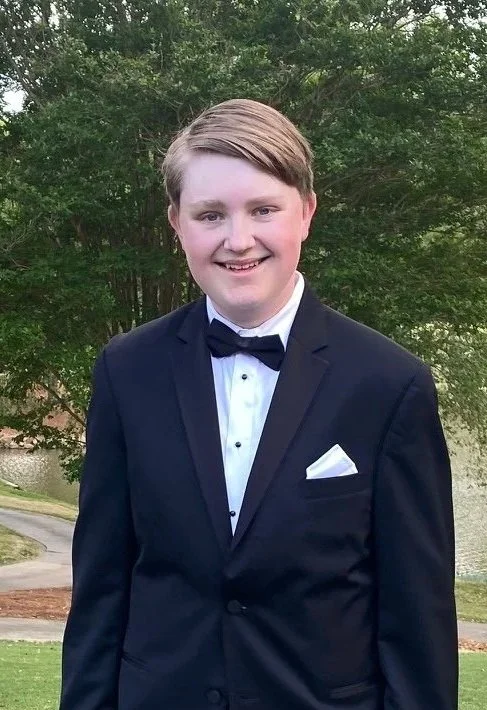
Associate Crisis Director
Ivy Willis
-
Ivy is a sophomore from Asheville, North Carolina, double majoring in Political Science and Data Science. She joined Model UN her freshman year of college and already has come to love the chaos of crisis committees. Ivy has experience staffing committees during UNCMUNC and MUNCH last year, as well as competing in her first conference last semester! Outside of MUN, she enjoys exploring campus and spending time outdoors, reading, playing chess, and spending way too much on boba!
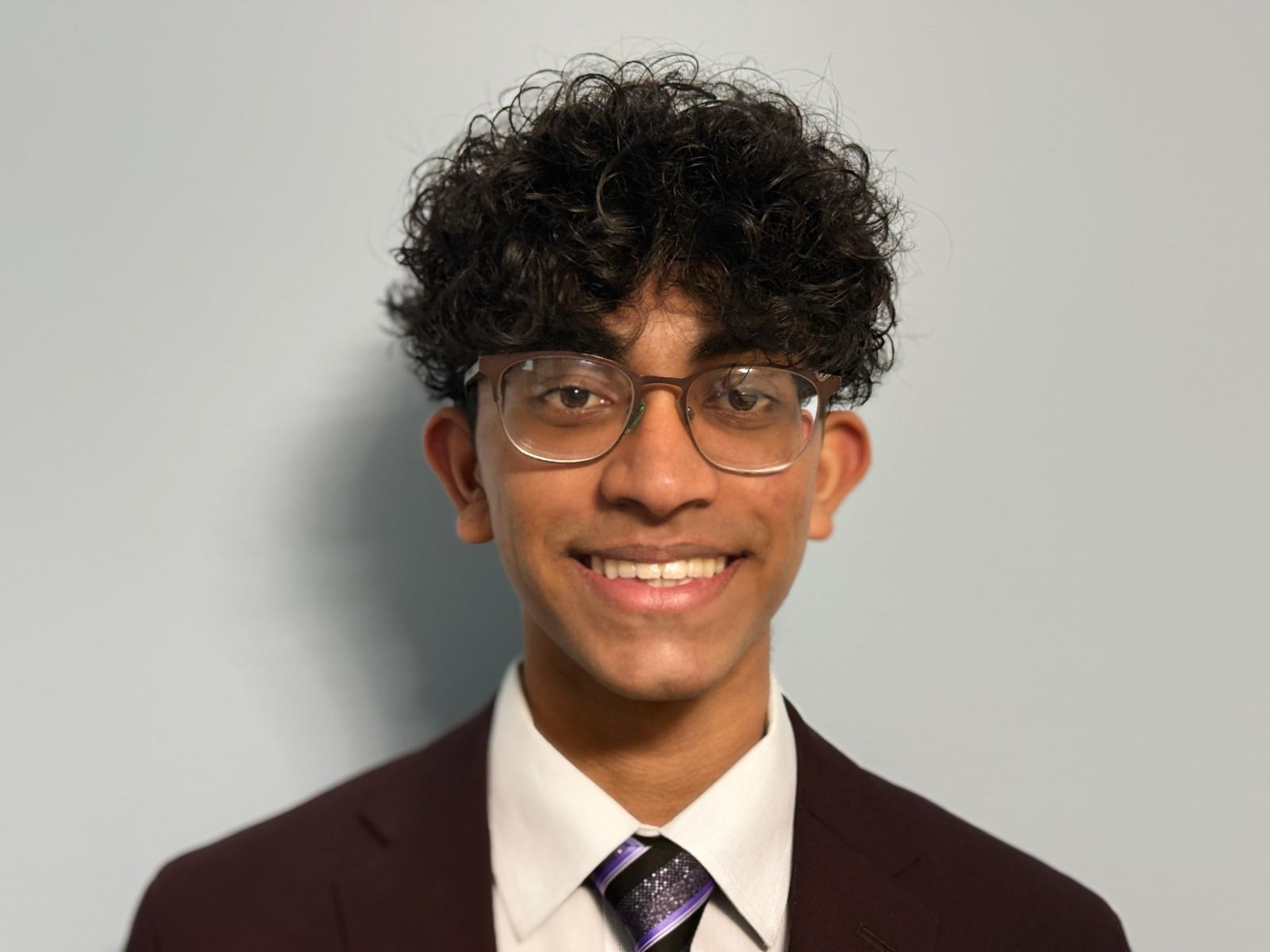
Head Chair
Risheeth Kankeyan

Assistant Chair
Clara Kachar
-
Clara is a sophomore from Bethesda, Maryland, majoring in economics. She started MUN last year as a college freshman. Since then, she has staffed for MUNCH and competed as a delegate for the CarolinaMUN travel team. In her free time, she enjoys travelling, playing volleyball, and spending time with friends.