
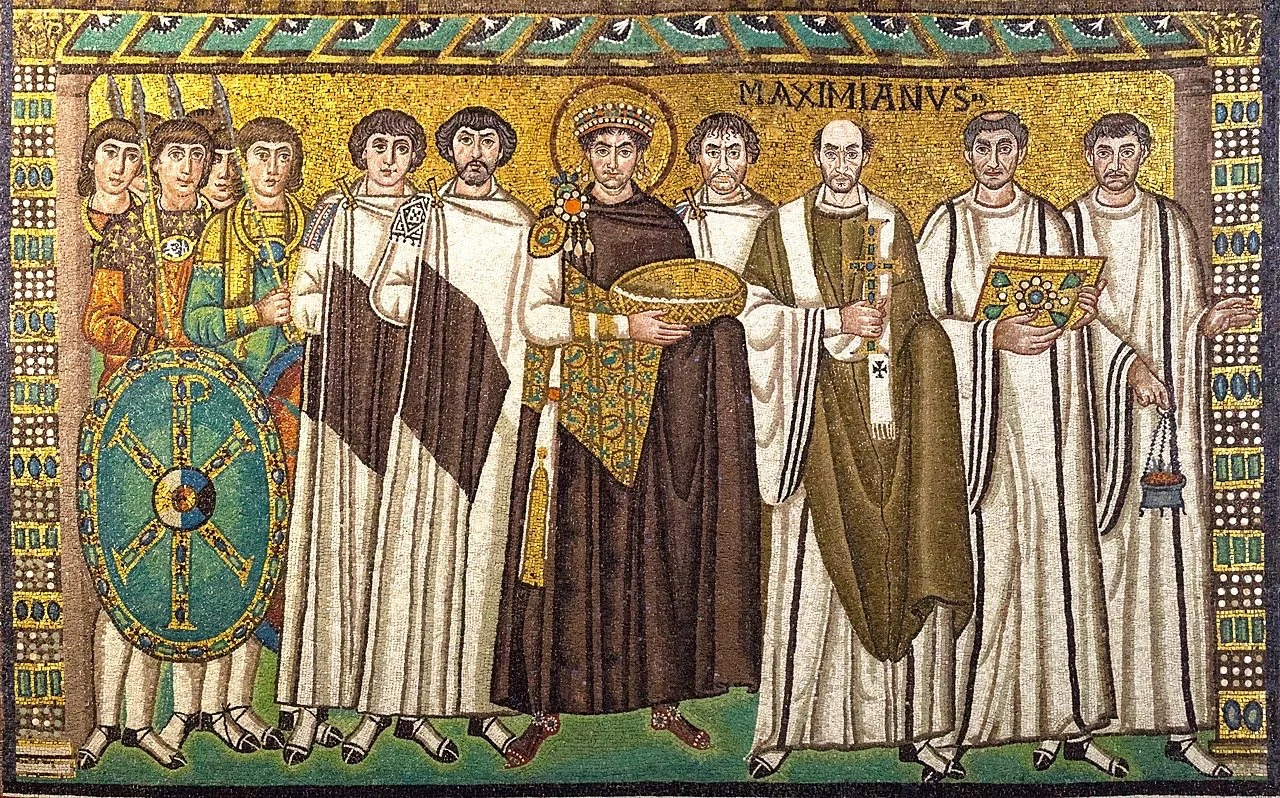
Sons of Abraham
The Apex of Antiquity: Byzantine Empire
A JOINT-CRISIS COMMITTEE
ABOUT THIS COMMITTEE
In 642, the early conquests of the newly formed Rashidun Caliphate had seen nothing but success. United under the banner of the newest addition to the House of Abraham, highly effective Muslim commanders steamrolled through the exhausted and plague-ridden Sassanid and Eastern Roman Empires. Seeing no challenger that could check them, the unstoppable wave of conquest has turned its eyes north to the Caucasus Mountains.
It was in the narrow passes of the Caucasus where the Arabs ran headlong into the Khazar Khaganate. This nomadic steppe empire had laid claim to much of modern Ukraine, Belarus, and the regions surrounding the Caucasus. Having become well-entrenched and semi-sedentary in their territory, the Khazars wielded considerable economic and military might. By 652, the Khazars delivered a killing blow to the Islamic campaign with a crushing victory at the Battle of Balanjar. The two sides agreed that the initial status quo of the Caucasus region would hold.
Now, a generation later, the Umayyad Caliphate has replaced the Rashidun. The Sassanid Empire is gone, fully incorporated into the Umayyad dominion. Eastern Rome soldiers on with its possessions in Anatolia and Europe. The Khazars remain vibrant and powerful. Judaism has begun to make inroads with the religiously tolerant Khazar nobility, many of whom begin to adopt the faith. Khazar raids on Umayyad territory south of the Caucasus have begun to pick up. The inconclusive first border war has left scores to be settled.
The year is 722, and the three great powers of Eastern and Central Europe, the Middle East, and North Africa are preparing to brawl once again.
The Byzantine Empire:
The heartbeat of Rome fluttered in the 7th century as the Sword of Islam stabbed deep into Roman territory. Rome has staggered many times before and always righted itself to defeat any foe. The Caliphate will be no different. Losing the enormously productive and prosperous provinces of Egypt and Syria to the Companions of Muhammad was a crippling blow, and yet, the Eastern Romans have taken this devastation in stride. They have rallied, organized, and stabilized the border at their mountain fortresses dotted along the Taurus range where Anatolia meets Syria. Now the Eastern Romans fend off Umayyad raids and search for a way to reclaim their vast Eastern territories. The Eastern Roman Empire’s primary goal is the reconquest of Roman territory and the stabilization of the imperial court.
Still able to channel its sizable economy into fielding large, professional, heavy infantry armies, the successors of Constantine and Justinian are down, but not out.
THe Dais
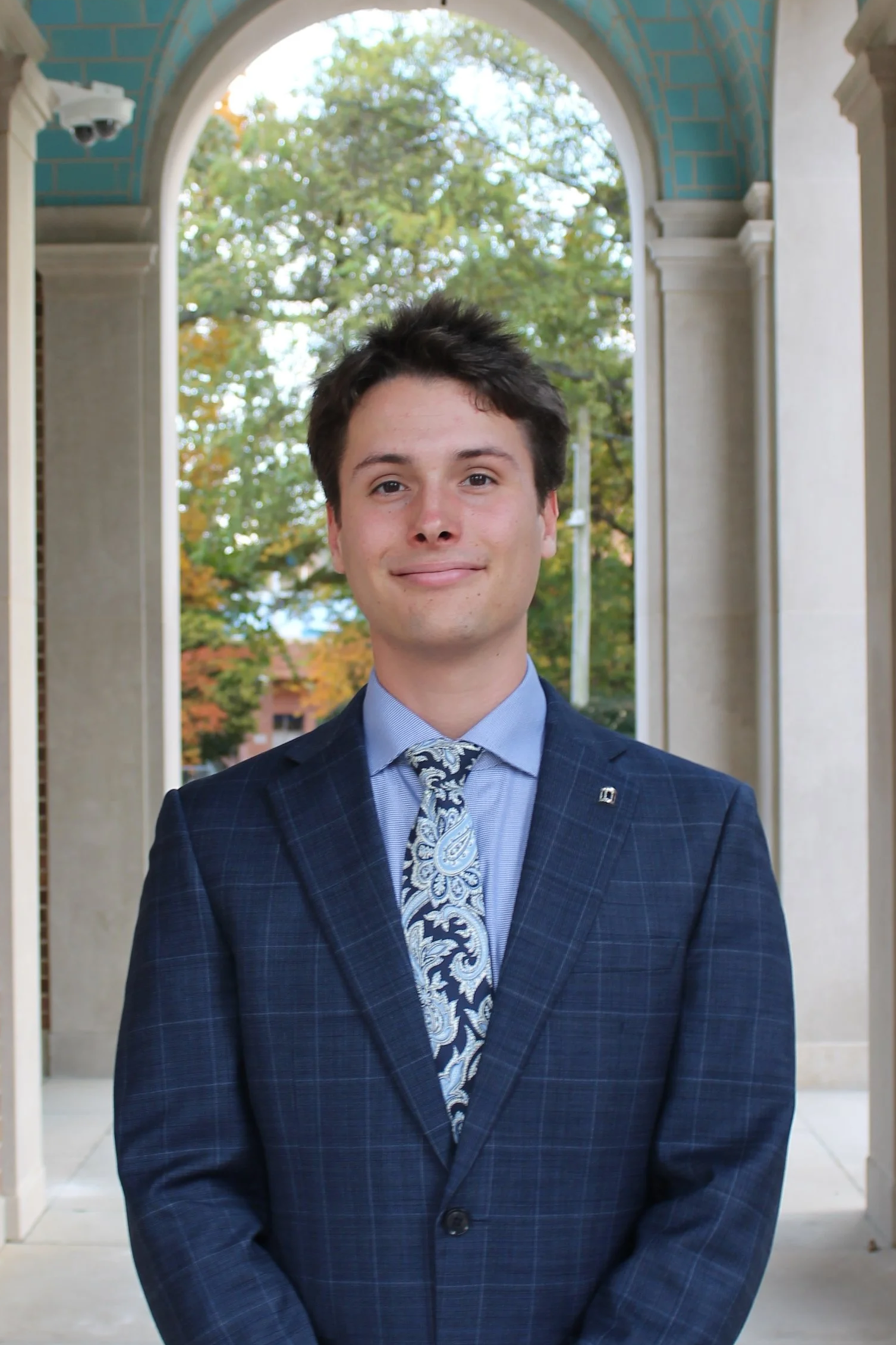
UNC Crisis Director
Colson Grimes
-
Colson Grimes is a second-year Master’s of Public Policy candidate with a focus on impact evaluation and analysis. He has been involved with UNCMUNC since 2023. Outside of school, Colson enjoys the outdoors, reading, and boxing.

Crisis Director
Rafael Linhares
-
Rafael is senior majoring in political science, with a double minor in Entrepreneurship and Politics, Philosophy and Economics. He grew up in LA, moving to Miami for high school. He enjoys playing the piano, listening to music, drawing, and watching movies.

Associate Crisis Director
Jayce Carpenter
-
Jayce Carpenter is a second-year at Carolina with a major in Global Studies. He has done Model United Nations since he was a freshman in high school, and is honored to be an Assistant Crisis Director this year at UNCMUNC.
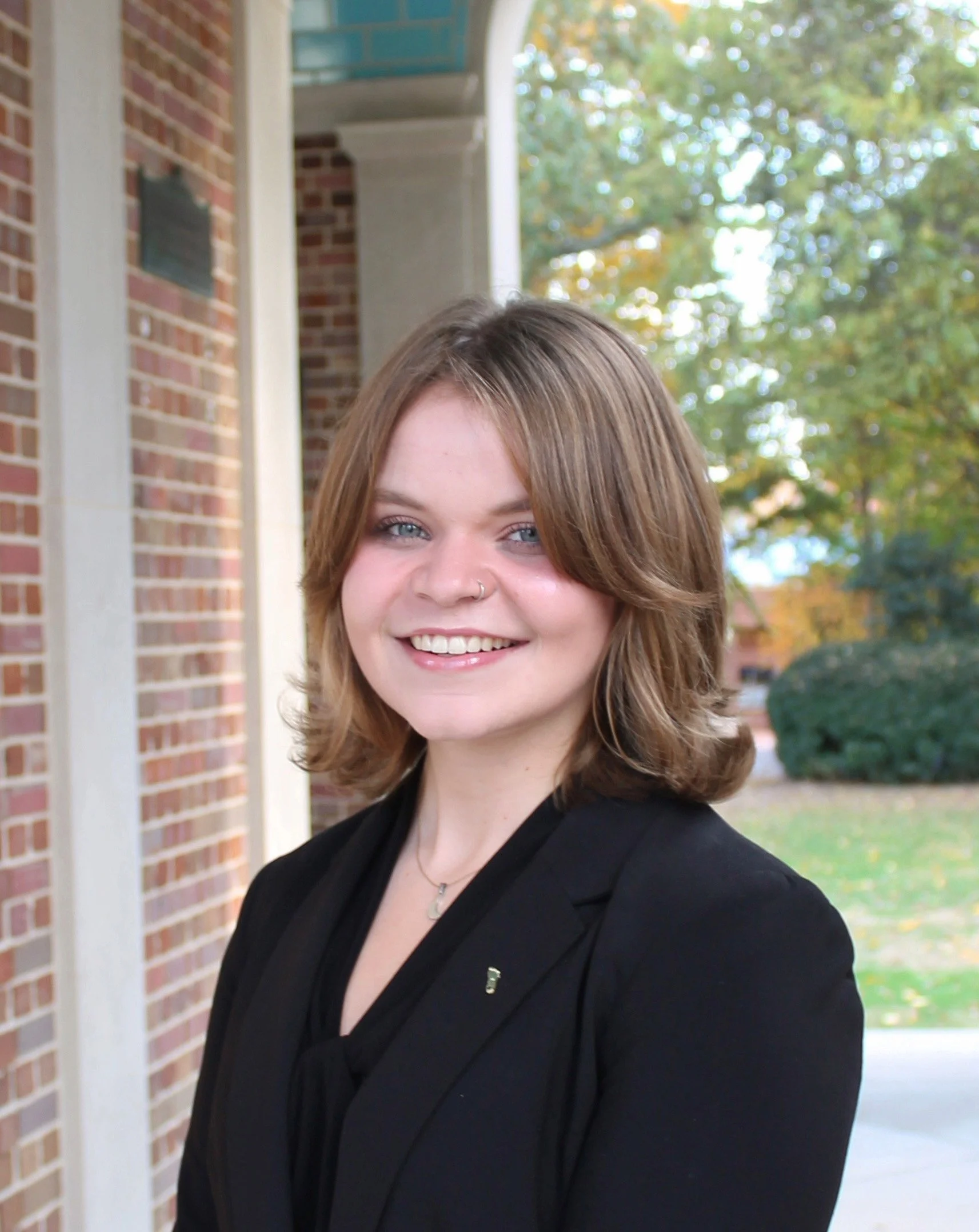
Head Chair
Lindsay McRae
-
Lindsay is a junior from Greensboro, North Carolina. She is majoring in history with a focus on Cold War diplomatic history, with minors in philosophy and Philosophy, Politics, and Economics (PPE). Outside of Model UN, she enjoys going to concerts, hanging out with friends, and running.

Assistant Chair
Ella Flaim
-
Ella Flaim is a senior studying Economics with minors in Statistics and Environmental Justice. Originally from Wake Forest, NC, she joined CarolinaMUN in the spring after transferring to UNC in her junior year.